Stussy Tee: How to Buy a Second-Hand One Without Getting Burned
A Stussy tee is the easiest way into the brand, and also the easiest item to get wrong. Prices on used pieces run from around 25 euros for a plain recent print to 300 euros or more for an early 90s Made in USA shirt. The gap comes down to tags, print method and condition, so those are what to check first.
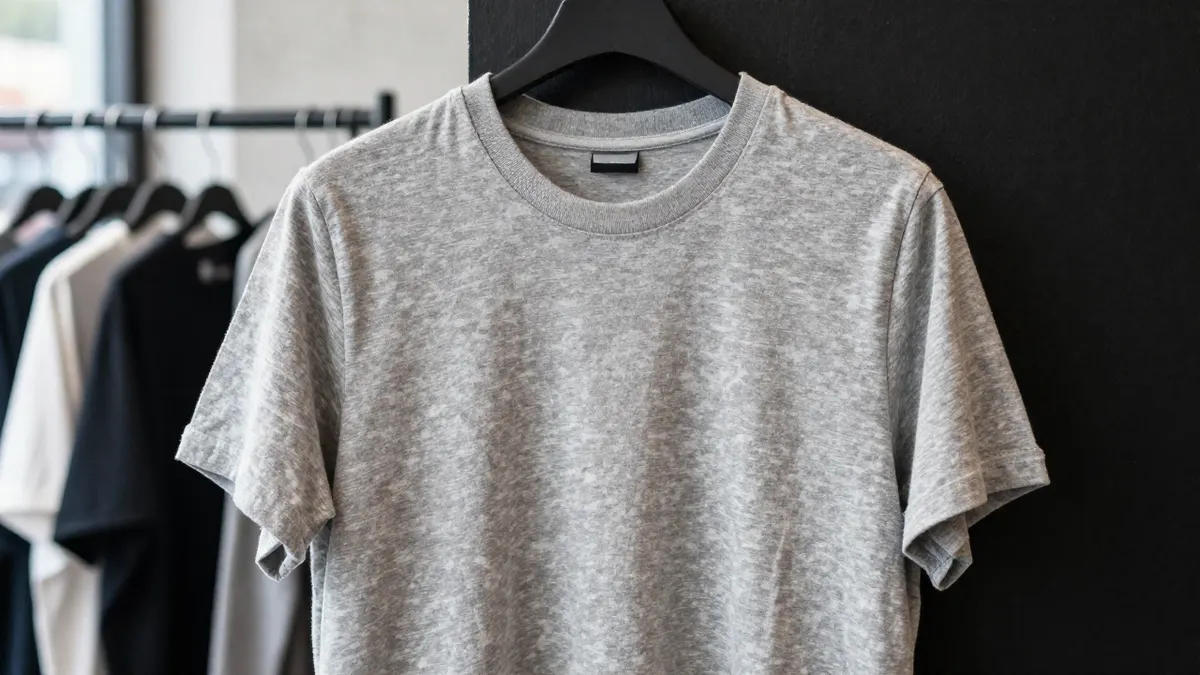
What a used Stussy tee costs in 2026
Most listings for current-season shirts in good shape sit between roughly 30 and 55 euros. Older stock climbs fast.
- Recent retail shirts (2018 onward): around 25 to 55 euros
- 2000s shirts with the woven or printed neck tag: around 50 to 120 euros
- Early 90s single-stitch, Made in USA: around 120 to 300 euros, sometimes more for rare graphics
- Collaborations (Nike, Dior, Our Legacy): often 100 euros and up
Treat these as rough benchmarks. A cracked print or a stretched collar can cut a price in half, and a clean deadstock piece can double it.
How to spot a fake Stussy tee
Start with the neck. Fakes usually get the tag wrong, either the font weight, the spacing of the letters or the stitching around the label. Compare it with several confirmed photos of the same year, not just one.
Check the tag and the stitching
Modern shirts carry a printed or woven tag with clean, even lettering. Early 90s pieces often have a black tag with a white signature and a Made in USA line, plus single-stitch hems on the sleeves and bottom. Double stitching on a shirt sold as 1991 is a red flag.
Look at the print itself
Genuine plastisol prints sit slightly raised and age with fine cracking, not peeling in sheets. If the graphic looks glossy, blurry at the edges or perfectly white on a supposedly faded black shirt, walk away. Weight matters too: a real heavyweight cotton tee feels dense, usually around 180 to 200 gsm.
Sizing a Stussy tee
Stussy cuts boxy and a little short. Most people keep their usual size for a relaxed fit, or go up one for a properly oversized look. Vintage shirts are different, since old cotton shrinks and 90s sizing runs larger across the shoulders.
Ask sellers for pit-to-pit and length measurements. A medium usually measures about 54 cm across the chest and 70 cm in length, though vintage pieces vary by several centimetres.
Which Stussy tee to look for
The graphic decides everything. The Stussy 8 ball tee is the most copied design in the catalogue, so it deserves extra checking on tags and print quality. If you want something low-risk and easy to wear, the Stussy basic tee with the small chest logo is cheaper and much harder to counterfeit well.
Cold weather shoppers often move on to the Stussy hoodie, which follows the same tag logic. And if you like the streetwear shirt idea but want a different label, the Bape bicolour tee is a common comparison in the same price band, usually from around 70 euros used.
Condition checks before you pay
Look at the collar first, because it wears out before anything else. A wavy, stretched neckline shows up in photos if you ask for a flat lay. Then check the armpits for yellowing, the hem for small holes and the back of the print for cracking.
Fading is fine on a vintage shirt and often wanted. Stains and odd smells are not. Cotton tees can usually be washed at 30 degrees, inside out, with no tumble dryer, which keeps older prints from cracking further.
Frequently Asked Questions
How can I tell if a Stussy tee is real?
Compare the neck tag, stitching and print with confirmed examples from the same year. Wrong fonts, double stitching on supposedly early shirts and glossy, flat prints are the usual giveaways. If the seller will not send close-up photos of the tag, treat that as a warning.
Does a Stussy tee shrink?
Yes, a little, especially older cotton. Expect around 2 to 4 percent shrinkage in length on a first hot wash. Washing at 30 degrees and air drying keeps the fit close to what you see in the listing.
Is a Made in USA Stussy tee worth more?
Usually yes. Shirts made in the USA in the 80s and 90s tend to sell for two to five times the price of recent ones, provided the tag, stitching and print all match the era. Production later moved elsewhere, so the label alone proves nothing without the other details.
Should I size up in a Stussy tee?
Go up one size if you want an oversized fit, stay true to size for a relaxed one. For vintage shirts, rely on measurements rather than the tag size, since old sizing is inconsistent.