The Stussy Basic T-Shirt: What to Check Before You Pay
A Stussy basic tee is the plain end of the brand's range: a small chest logo or a stock script on the back, a cotton body, no big graphic. Used ones usually sell for around $20 to $45, which is cheap for a shirt that holds its shape for ten years. This guide covers how to date one, how it fits, and how to spot a bad listing.
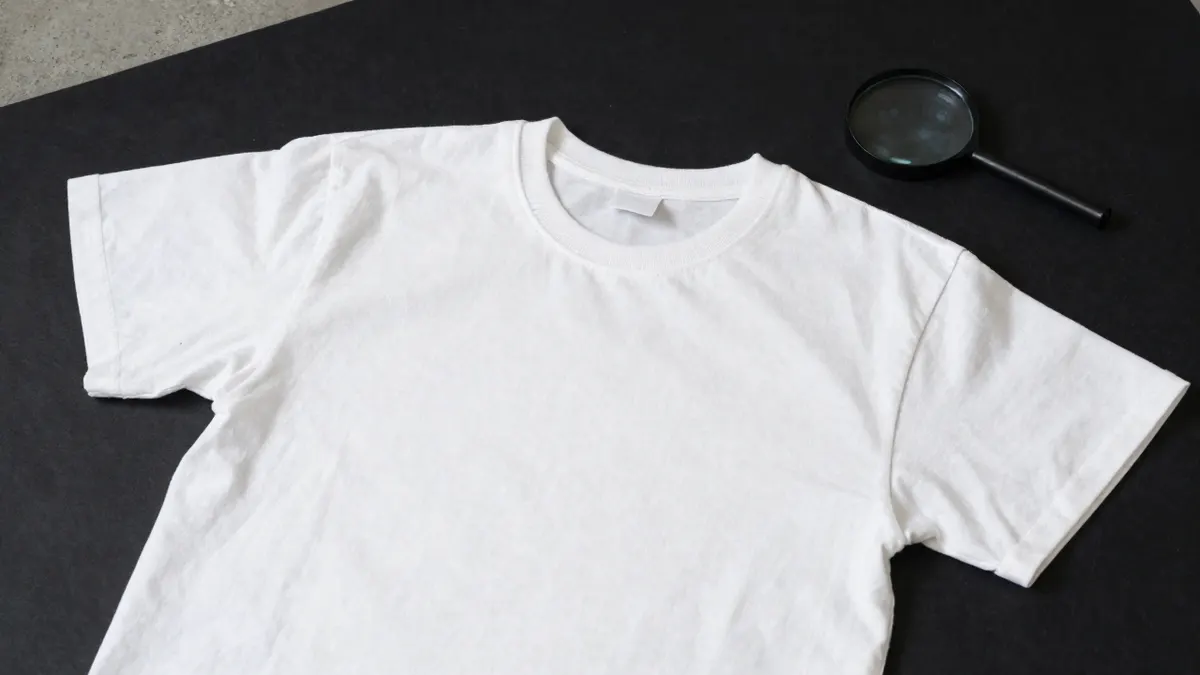
How a Stussy basic tee fits
The cut is boxy and slightly short. Size M measures roughly 52 cm across the chest and 70 cm from collar to hem, though older shirts vary by a couple of centimetres. Most people wear their normal size for a relaxed look.
Go up one size only if you want a properly oversized shape. Go down if you are between sizes and dislike a wide sleeve. Always ask the seller for pit-to-pit and length in centimetres, because a tag size on a washed shirt tells you little.
Shrinkage on older cotton
Shirts from the 1990s and early 2000s were often washed hundreds of times. They can come out about 3 to 4 cm shorter than the same size today. That is fine if you want a cropped drape, a problem if you do not.
Fabric, print and stitching
Standard tees sit around 180 to 200 gsm. Heavier "pigment dyed" versions feel closer to 220 gsm and fade unevenly, which many buyers like. Look at the collar first. A good one is ribbed, flat and tight, with no waves.
Check the print by running a thumb over it. Real screen prints sit flat with fine, even cracking after heavy wear. A thick, glossy, rubbery layer suggests a cheap copy or a heat transfer.
- Single-stitch hems point to older shirts, roughly pre-2000s.
- Double-stitch hems are normal on most newer pieces.
- Sweat yellowing under the arms is common and rarely washes out completely.
Dating it from the neck label
The tag is your best clue. Old tags show a woven Stussy logo with "Made in USA", often with a size on a separate small tab. Mid-2000s shirts moved production to Mexico, Peru and later other countries, and the label layout changed with it.
A tag that looks crisp on a shirt with a badly faded body is a warning. So is a care label with blurry text or spelling slips. Compare the tag against several sold listings of the same year before trusting it.
Basic tee or graphic tee?
If you want something that goes with everything, the plain version wins. It works under a Carhartt jacket or on its own with wide jeans and Air Max shoes. Graphic shirts carry more collector value, but they are harder to wear every week.
Collectors usually chase the Stussy 8 ball tee, a design with its own price history and many reprints. If that is your aim, read up on the Stussy 8 ball t-shirt first, since the print details separate originals from copies more clearly than any tag. For a general overview of cuts and eras, the Stussy tee page is a better starting point than this one.
Fair prices and condition grades
Prices below are indicative and change with season and demand.
- Recent shirt, light wear: about $20 to $30.
- Early 2000s, good condition: about $30 to $50.
- 1990s single-stitch, clean: from about $60.
Pay less for holes, stretched necks or print loss. Small flaws are acceptable on a shirt you plan to wear hard. Pay full price only for clean pieces with clear photos of the tag, the print and the inside seams.
Washing and care
Wash cold at 30 degrees, inside out, and hang dry. A dryer causes most of the shrinkage and cracks prints faster. Skip bleach, even on white, because it turns old cotton yellow.
Frequently Asked Questions
How can I tell if a Stussy basic tee is fake?
Start with the neck label, the collar shape and the print texture. Fakes often have uneven letter spacing, thick glossy ink and thin cotton. Compare photos with confirmed originals from the same year.
Does a Stussy basic tee shrink?
Yes, mostly in length, by about 2 to 4 cm after hot washing and drying. Cold washing and air drying keep it close to its current size. Pre-washed used shirts have already done most of their shrinking.
Which size should I choose?
Your usual size gives a relaxed, boxy fit. Size up for a very loose look. Measure a shirt you already like and compare it with the listing numbers.
Is a used one worth it compared with new?
Often yes. A used shirt costs less, and soft, faded cotton is the whole appeal for many people. The only risk is condition, so ask for close photos of the collar and underarms.